Blister packaging
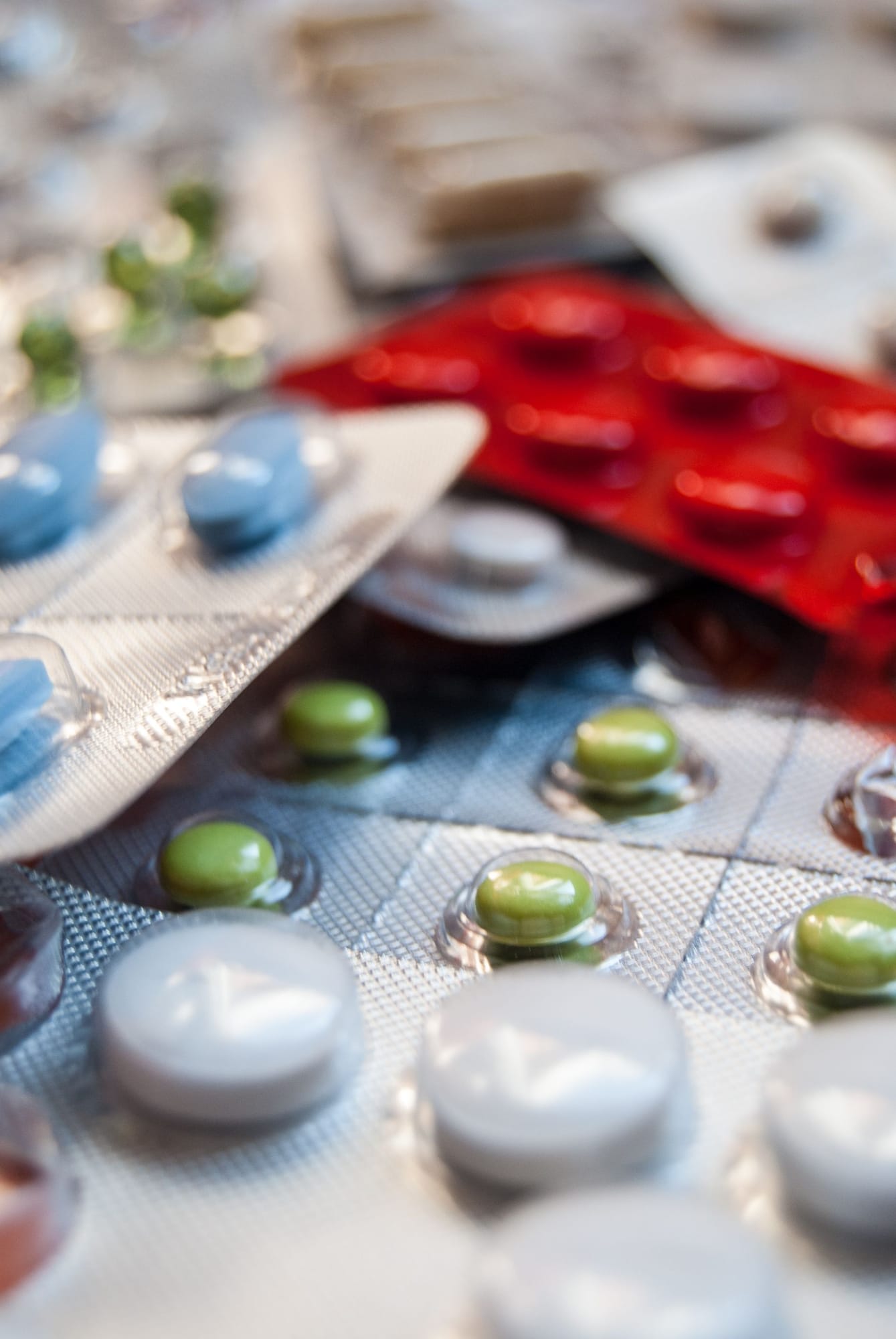
Blister packaging for FMCG and pharmaceutical products, designed, tooled and formed in-house in the UK.
Trusted by


Blister packaging for FMCG and pharmaceutical products, designed, tooled and formed in-house in the UK.
Overview
We have years of experience developing blister packaging for the FMCG and pharmaceutical industries, and offer a complete design and prototype service through to pilot production.
Using 3D software we create the blister design. From that we produce physical mock-ups and calculate accurate production costs before any tooling is cut.
How It's Made
Blister packs are produced using a thermoforming process, where plastic or film is heated and sucked against a mould. During forming the material stretches and becomes thinner.
Predicting that thinning has traditionally been left to moulding companies to estimate, which often leads to costly tooling development. We use software that produces an accurate CAD model of the finished article, so a design can be proven without investing in any tooling.
Materials
Blisters can be manufactured from different polymers, which provide features such as barrier, peelable, clarity and FDA compliance.
A blister may be a single layer (mono), or several layers of different polymer laminated together. The laminated option is the more common of the two, as it is easier to process and performs better.
We work closely with the manufacturers of these materials and select the grade that suits the application.
The Process
The blister is designed in 3D CAD, with mock-ups and production costs produced before any tooling is cut.
A tool is produced from the 3D CAD data. There are three options, depending on budget and the quantity of blisters required.
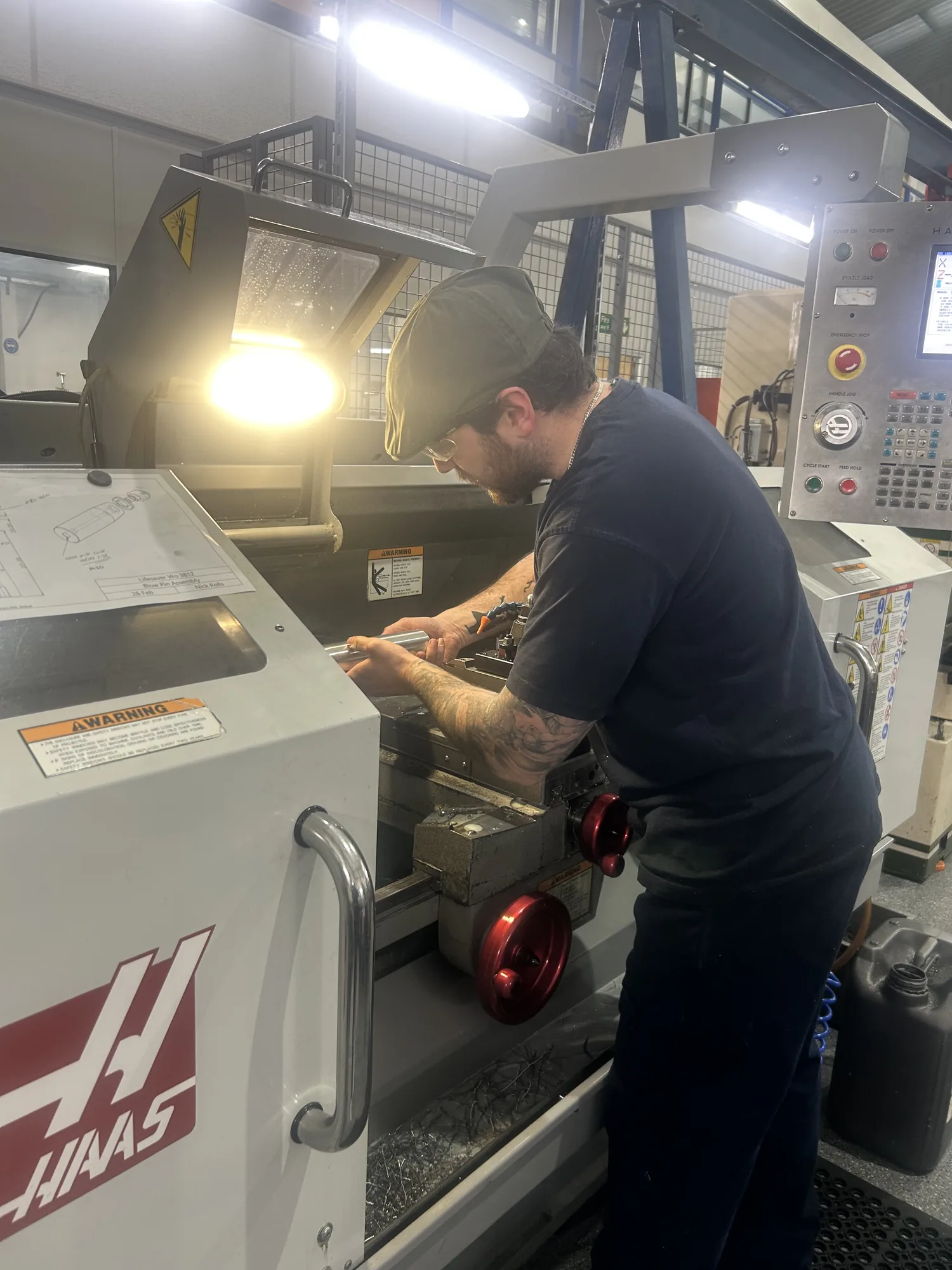
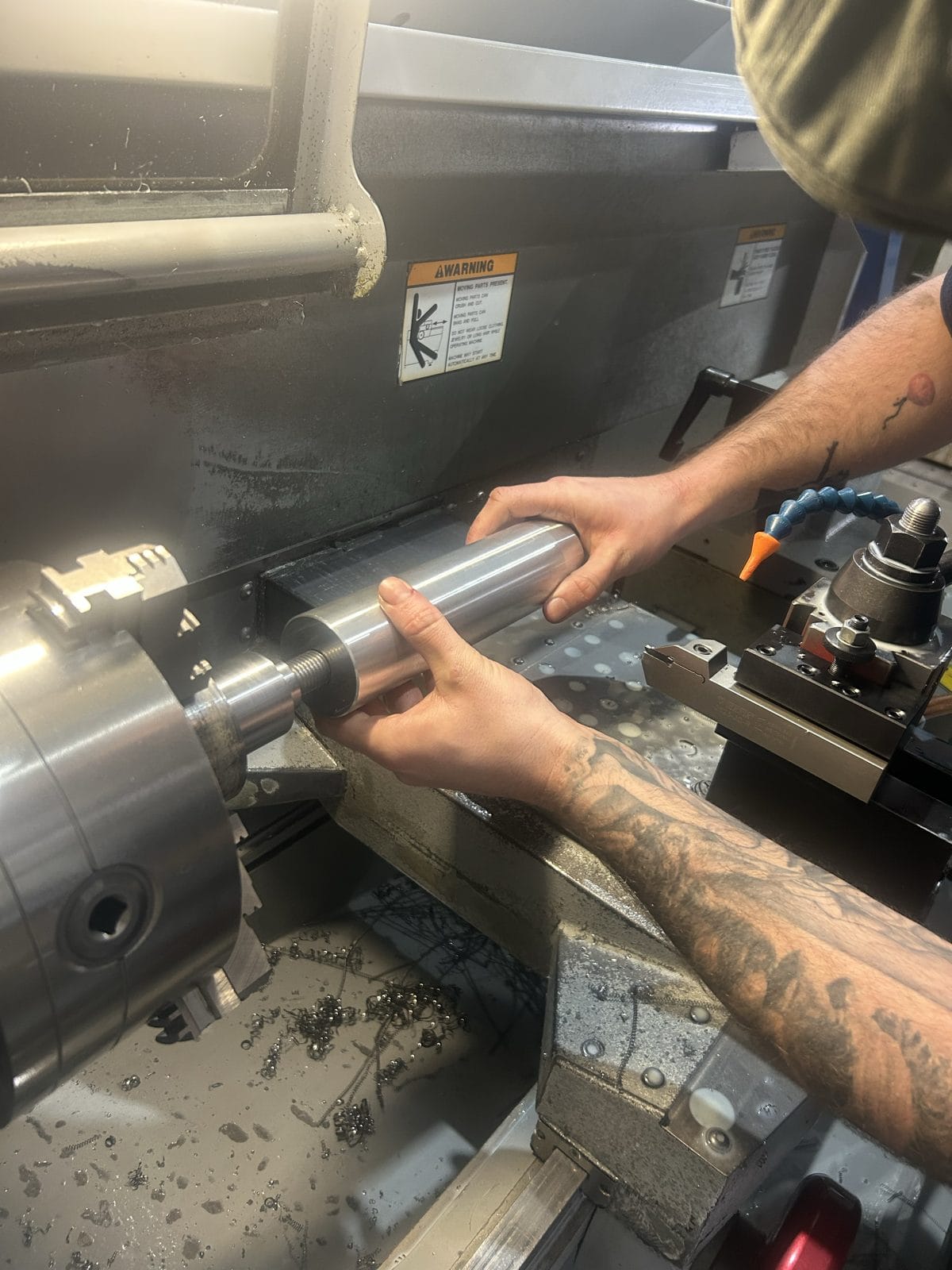
Tools are cut on a high-speed CNC machining centre for a precise finish, so parts form accurately. Blisters are then formed on a high definition vacuum forming machine, where plastic or film is heated and sucked against the mould. The process is controlled to keep results consistent.
Blisters are filled and sealed with the product using a heated sealing machine, which can seal in a range of materials.
The blister packs are cropped to remove the excess material using a cutting press.
Low cost. Maximum yield 20 blisters.
Medium cost. Maximum yield 100 blisters.
High cost. Maximum yield 10,000 blisters.
Send us details about your part and we'll get back to you within 24 hours.