Thermoplastics soften when heated and harden when cooled, allowing them to be remelted and reprocessed. Thermosets undergo a chemical curing reaction that permanently changes their structure. Once cured, they cannot be remelted. That difference affects how a component is manufactured, what happens to production waste and which suppliers can make it.
The difference between thermoset and thermoplastic materials
Thermoplastics can be heated until they flow, moulded into a component and cooled to retain their shape. Common examples include polypropylene (PP), ABS, polycarbonate (PC) and nylon (PA).
Thermosetting polymers behave differently. During curing, chemical bonds form between polymer chains, creating a cross-linked structure. Once cured, the material cannot return to its original processable state.
The manufacturing processes also differ. Conventional thermoplastic injection moulding uses heated material and a temperature-controlled mould, where the plastic cools and solidifies.
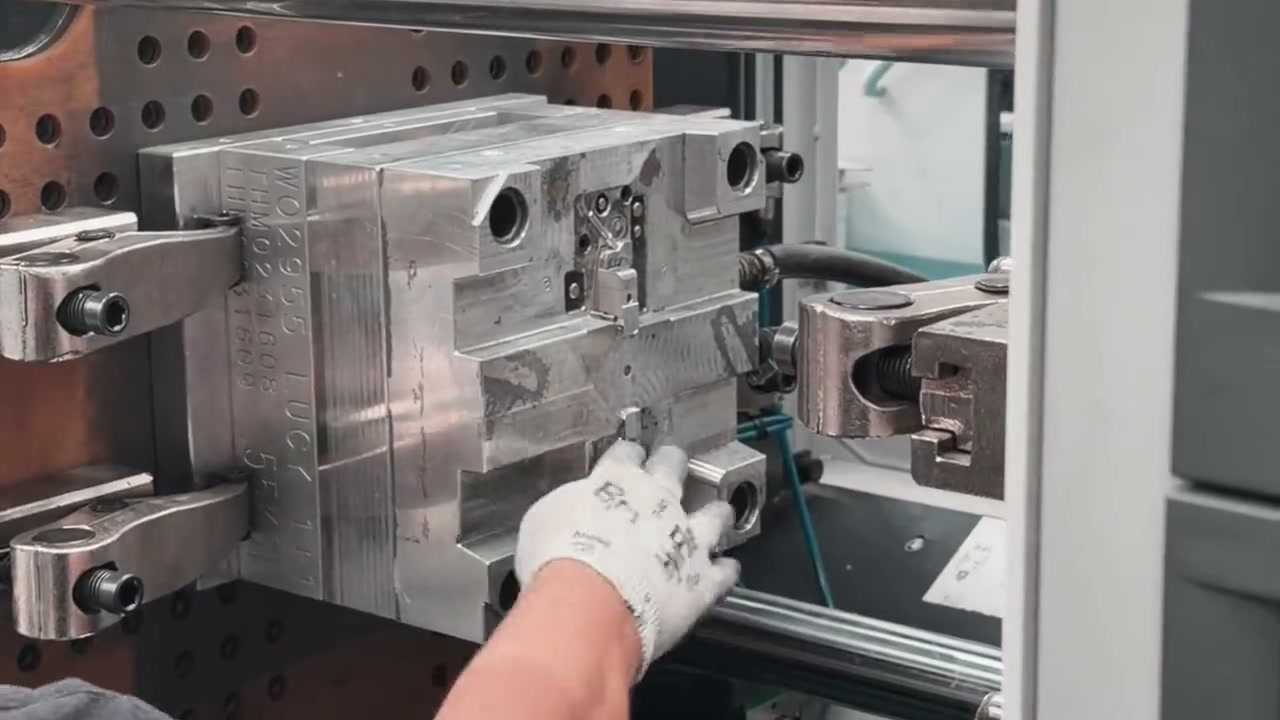
Thermoset injection moulding generally uses heated tooling to cure the material. With liquid silicone rubber (LSR), the material is kept cool before entering the heated mould. A component specified in a thermoset may therefore require different tooling and equipment from its thermoplastic equivalent.
Thermoset and thermoplastic compared
Material selection affects processing, component performance and waste handling.
| Consideration | Thermoplastic | Thermoset |
|---|---|---|
| Behaviour under heat | Softens and can be remelted | Cures permanently; cannot be remelted |
| Mould temperature | Typically cooled | Typically heated for curing |
| Cycle time | Influenced by cooling | Influenced by curing |
| Regrind | Often reusable, subject to specification | Cannot be remelted as regrind |
| Heat resistance | Depends on polymer grade | Often good after curing |
| Chemical resistance | Depends on polymer grade | Depends on resin chemistry |
| Impact behaviour | Ranges from brittle to ductile | Ranges from rigid to elastic |
| Typical materials | ABS, PP, PC, nylon, acetal | LSR, epoxy, phenolic, polyurethane systems |
| UK manufacturing availability | Widely available | More specialist processing capability |
Neither material family is automatically stronger or more durable. Performance depends on the specific grade and operating conditions.
What specifying a thermoset changes
Choosing a thermosetting plastic affects manufacturing requirements, waste handling and supplier selection.
Your recycling position changes
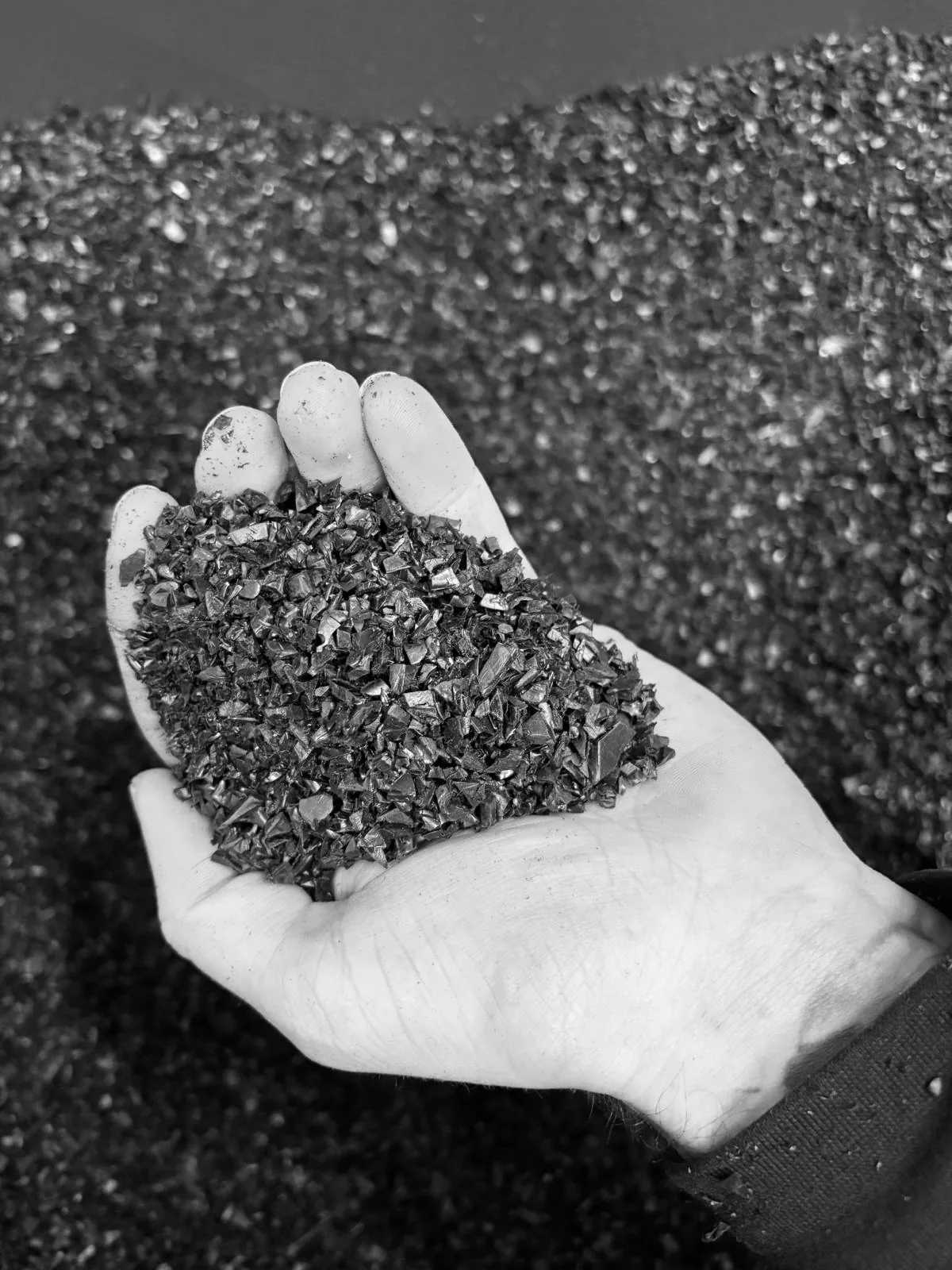
Many thermoplastics can be ground into regrind and processed again, provided the material remains suitable and the specification permits it. Cured thermosets cannot be remelted in the same way. Scrap from moulding or rejected components cannot simply be returned to the machine.
Specialist recycling methods exist for certain thermosets, but their availability depends on the material and waste stream. If recycled content or end-of-life recovery matters to your specification, establish the available options before selecting the material.
Your supplier options change
Thermoset moulding requires equipment and process control suited to the curing reaction. A manufacturer equipped for conventional thermoplastic injection moulding may not have the machinery or material handling systems needed to process thermosetting compounds. LSR, for example, requires different feeding, mixing and tooling arrangements.
Having injection moulding machines does not automatically qualify a supplier to manufacture thermoset components. Confirm their experience with the specified material before placing an order.
Tooling and finishing requirements differ
Thermoset tooling must accommodate the material’s curing behaviour, including temperature control. Certain thermosetting compounds can produce flash at the mould parting line. Depending on the material, tool design and component specification, trimming or de-flashing may be required.
LSR presents particular tooling considerations because it can flow into very small clearances before curing. These requirements should be considered during mould tool design, before manufacturing begins.
Manufacturing costs are affected differently
Material price alone does not determine the cost of a finished component. Thermoset production can involve specialist equipment, curing time and additional finishing operations. Supplier availability can also affect procurement options.
Thermoplastic moulding cycles are often strongly influenced by cooling. Thermoset cycles depend on the curing reaction, so improving cooling will not provide the same benefit. Compare the total manufacturing cost, including tooling, processing, inspection and finishing, rather than material price alone.
When is a thermoset the right choice?
A thermoset is worth considering when the application requires properties that suitable thermoplastic grades cannot provide economically or reliably. Certain thermosets retain useful properties at temperatures that would cause conventional thermoplastics to soften or lose dimensional stability. Chemical exposure and electrical insulation requirements can also influence the decision, particularly where performance must be maintained under heat.
For seals and gaskets, thermosetting elastomers such as silicone rubber offer different benefits. They remain flexible after curing and can maintain sealing performance across a broad temperature range.
However, thermosets are not automatically the better option. Some rigid thermosets are more brittle than comparable thermoplastics. They cannot be remelted as conventional regrind, and specialist processing may increase manufacturing costs.
High-performance thermoplastics can also withstand demanding operating conditions. If a thermoplastic meets the specification, its wider processing availability and potential for reprocessing may make it the more practical choice.
The thermoset Gemini Manufacturing moulds
Gemini Manufacturing produces components using liquid silicone rubber (LSR), a thermosetting elastomer. Unlike rigid thermosetting plastics, cured silicone rubber remains flexible. It is suitable for components that must deform repeatedly, maintain a seal or withstand demanding operating environments.
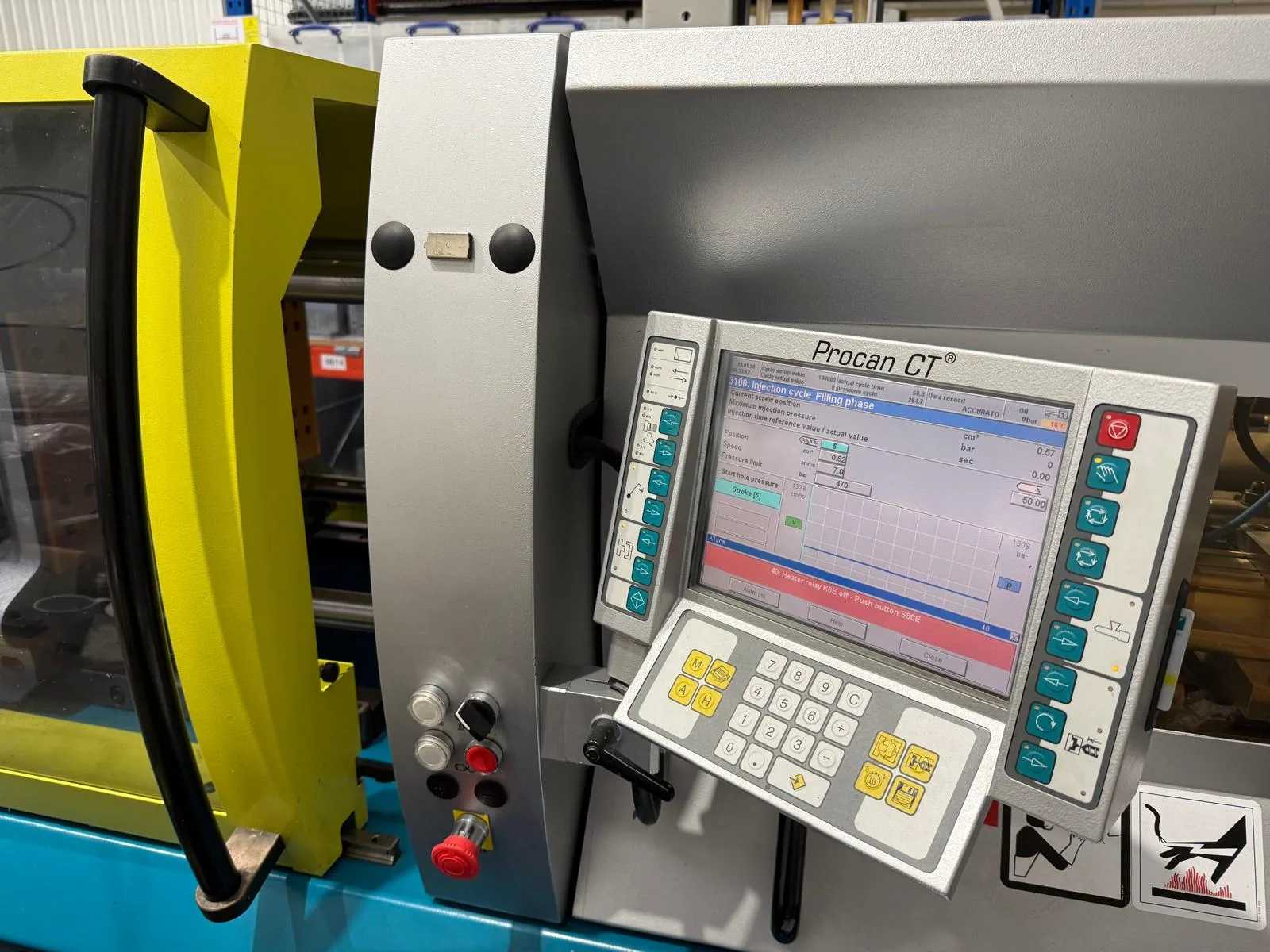
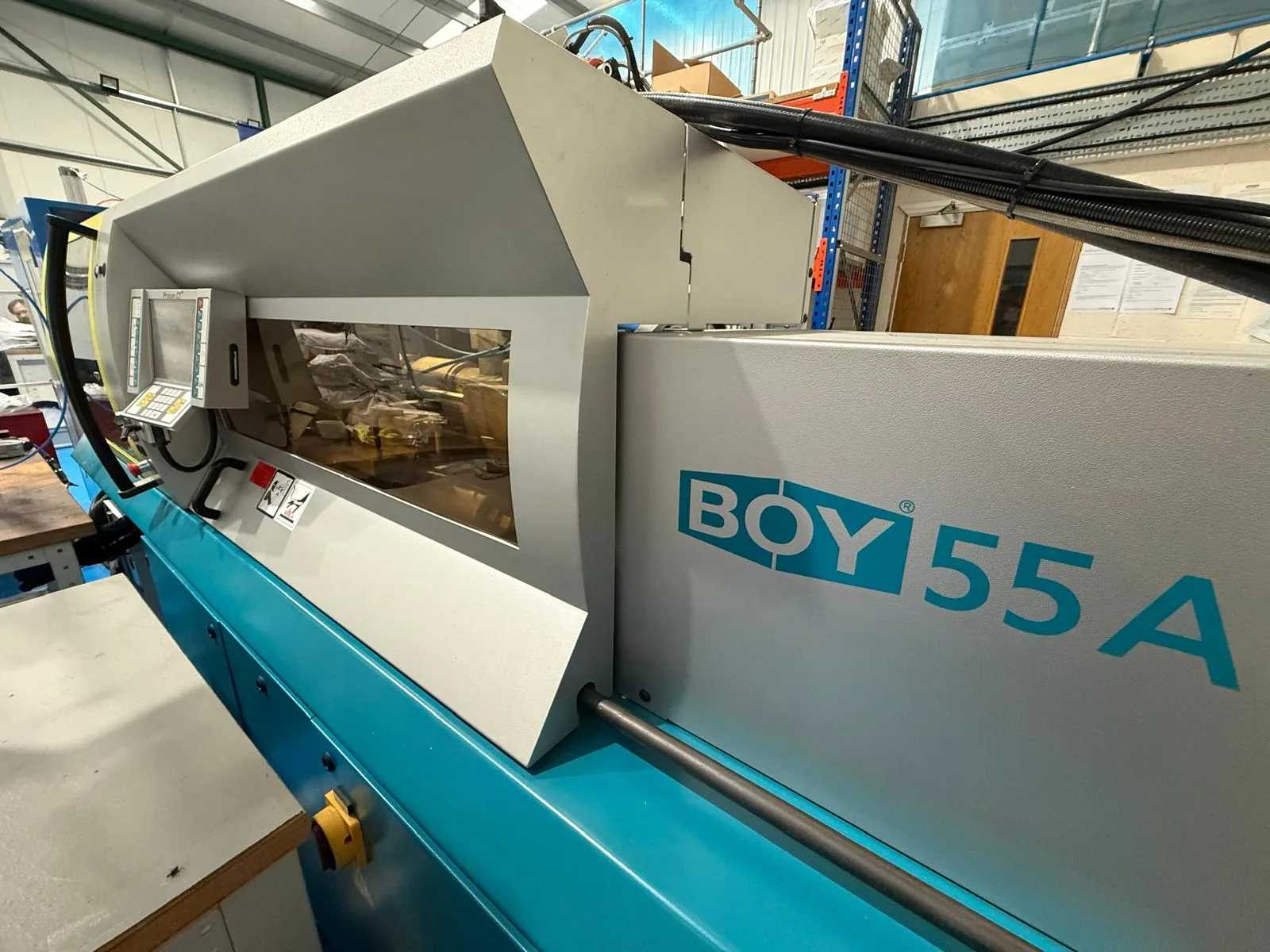
Gemini’s LSR applications include seals, gaskets, membranes, valves and soft-touch components. The company operates a dedicated BOY 55 LSR injection moulding machine, alongside specialist equipment for prototype development and material trials. Gemini also offers silicone over-moulding onto thermoplastic substrates, allowing rigid and flexible materials to be combined. For more information, see Gemini’s liquid silicone rubber moulding services.
Frequently asked questions
Can thermoset plastics be recycled?
Some thermosets can be recycled using specialist mechanical, chemical or thermal processes. However, cured thermosets cannot be remelted and reused like conventional thermoplastics. The available recycling route depends on the material and processing facilities.
Is silicone a thermoset or a thermoplastic?
Liquid silicone rubber is a thermoset. It undergoes a chemical curing reaction that creates a permanent cross-linked structure. Unlike rigid thermosets, cured silicone rubber remains elastic.
Can a thermoplastic moulder manufacture thermoset parts?
Not necessarily. Thermoset moulding requires equipment, tooling and process control appropriate to the material. A thermoplastic manufacturer may need dedicated machinery and additional expertise. For an explanation of conventional thermoplastic production, see Gemini's injection moulding process guide.
Which is stronger, thermoset or thermoplastic?
Neither is universally stronger. Both material families contain grades with different mechanical properties. Selection depends on the component's required strength, stiffness, impact resistance and operating environment.
Why can thermoset parts cost more?
Thermoset manufacturing may require specialist equipment, heated tooling, curing time and additional finishing. These factors can increase costs, although the result depends on the material, component geometry and production quantity.
Discuss your material requirements with Gemini
If you’re unsure whether your component requires a thermoset or thermoplastic, send Gemini your drawing or CAD file, operating temperature, chemical exposure requirements and expected production quantities. The team can review the application and discuss suitable materials and manufacturing methods.