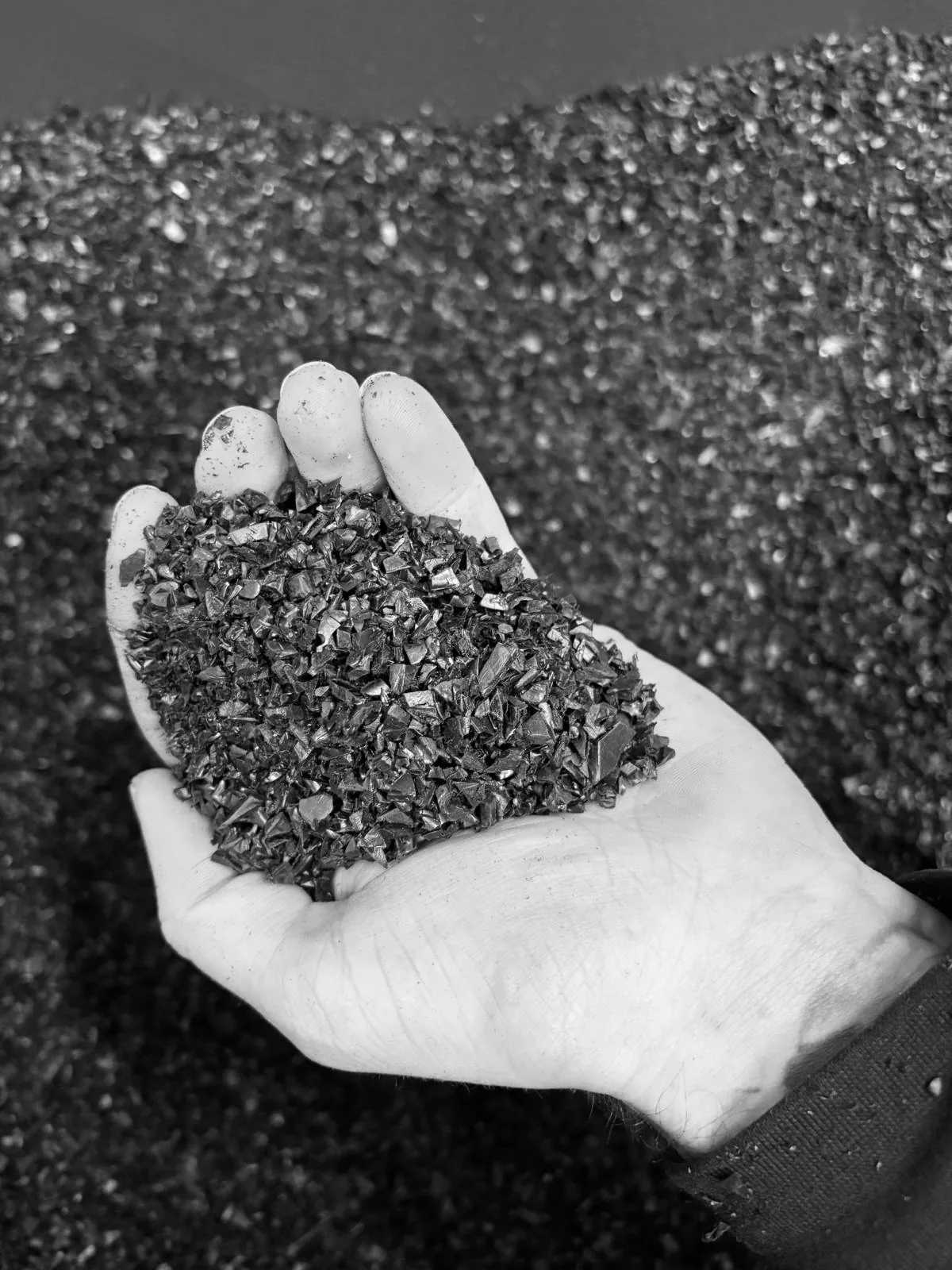
ABS combines useful impact resistance, rigidity, dimensional stability and a good moulded surface. It is widely used for housings, enclosures, interior automotive parts and consumer components that need to be tough, rigid and easy to finish. Gemini moulds and finishes ABS at its own UK facilities.
ABS (acrylonitrile butadiene styrene) is an amorphous thermoplastic used for housings, enclosures, covers and other rigid moulded parts. It combines useful impact resistance with a good surface finish and relatively low mould shrinkage. General-purpose grades are also easy to colour, texture, print and paint.
The material balances stiffness with useful room-temperature impact resistance, giving a tougher feel than many rigid commodity plastics. Exact flow and shrinkage depend on the grade and the wall section.
ABS is most useful where a part needs to feel rigid and robust but does not require the higher heat performance of PC or PA, the chemical resistance of PP, or optical clarity. The exact grade should still be selected around impact, temperature, finish and chemical exposure. For a clear part that has to survive knocks we mould polycarbonate, and where appearance matters more than toughness, acrylic. For wear and mechanical load there is nylon, and for chemical resistance or a moulded living hinge, polypropylene. We can advise on the trade-offs during a design-for-manufacture review. Our guide to injection moulding materials compares ABS against the alternatives in detail.
Why ABS moulds well
Key benefits of ABS plastic injection moulding.
02 / Benefits
01
Good impact strength
Useful impact resistance at room temperature, which gives a tougher feel than many rigid commodity plastics.
02
Rigidity & stability
Stiff, with good dimensional stability and low shrinkage for repeatable parts.
03
Easy to mould
Grades with good mould flow can reproduce fine detail. Stable results still depend on grade, drying where required, tool temperature and geometry.
04
Finishes well
Accepts texture, paint and printing well. Suitable grades can also be plated, welded or adhesively bonded with matched processes.
General-purpose ABS has moderate heat resistance rather than high-temperature performance. If a part sits close to motors, heaters or other sustained heat sources, check the chosen grade's HDT and long-term temperature capability. PC, PA or a heat-resistant ABS grade may be more suitable.
Chemical resistance
ABS can be attacked by ketones, esters and a number of organic solvents, and stressed parts can craze in incompatible chemicals. Confirm cleaners, fuels and process chemicals before the material is fixed.
Outdoor exposure
Standard ABS is not the first choice for prolonged UV exposure, because colour and surface properties can deteriorate outdoors. UV-stabilised grades, coatings or another polymer may be needed.
Low-temperature impact
ABS remains tough in many room-temperature applications, but impact performance falls as temperature drops. Low-temperature duty should be checked against the exact grade.
Why Gemini
Why Gemini for ABS moulding.
04 / Why Gemini
01
26+ years moulding
More than 26 years moulding ABS and other thermoplastics for UK manufacturers.
02
Tooling under one roof
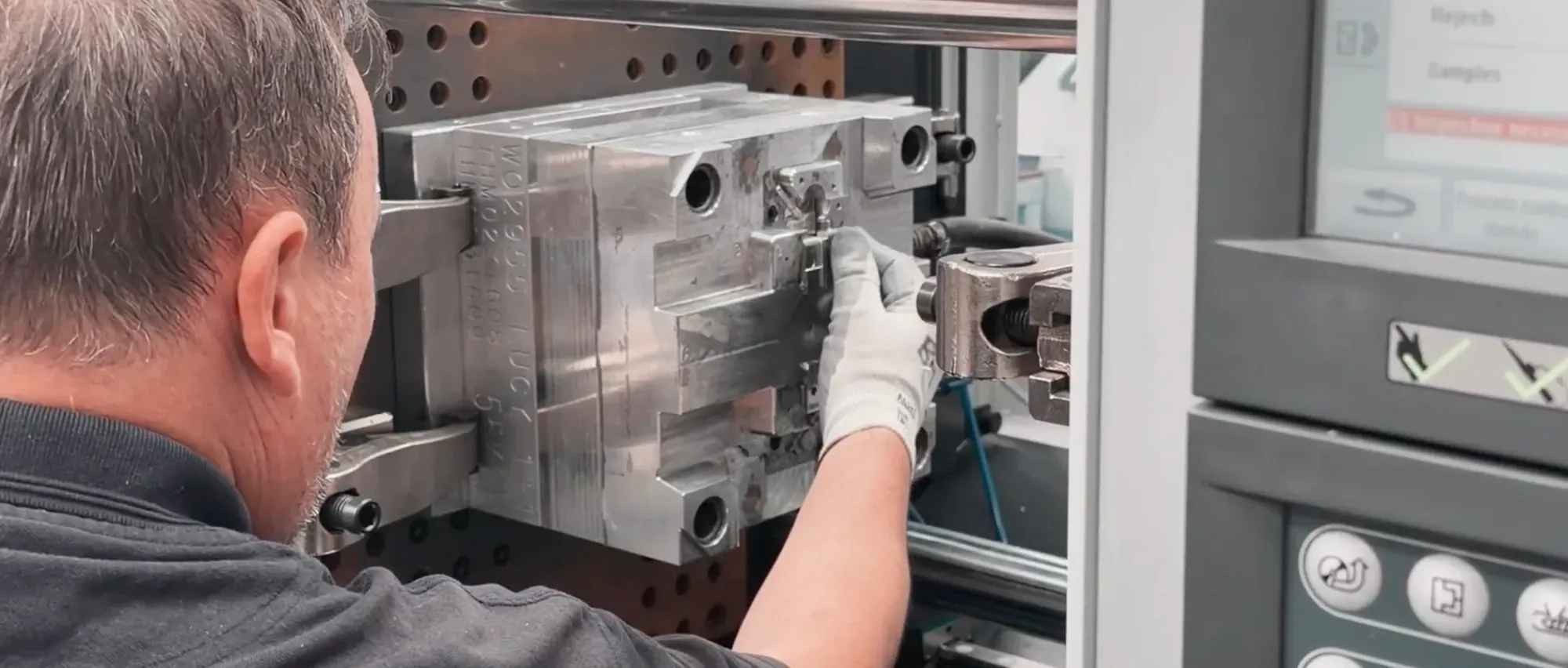
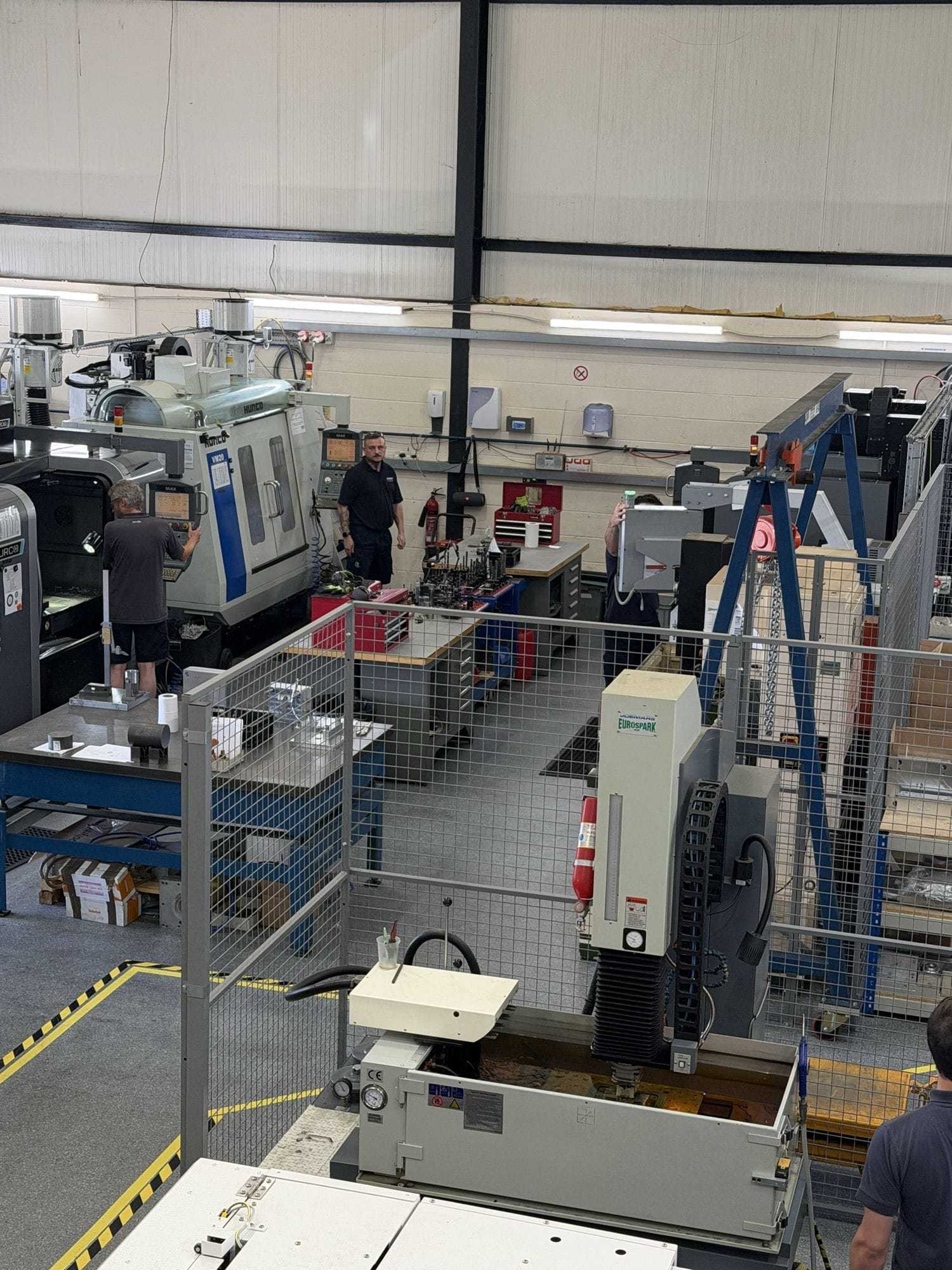
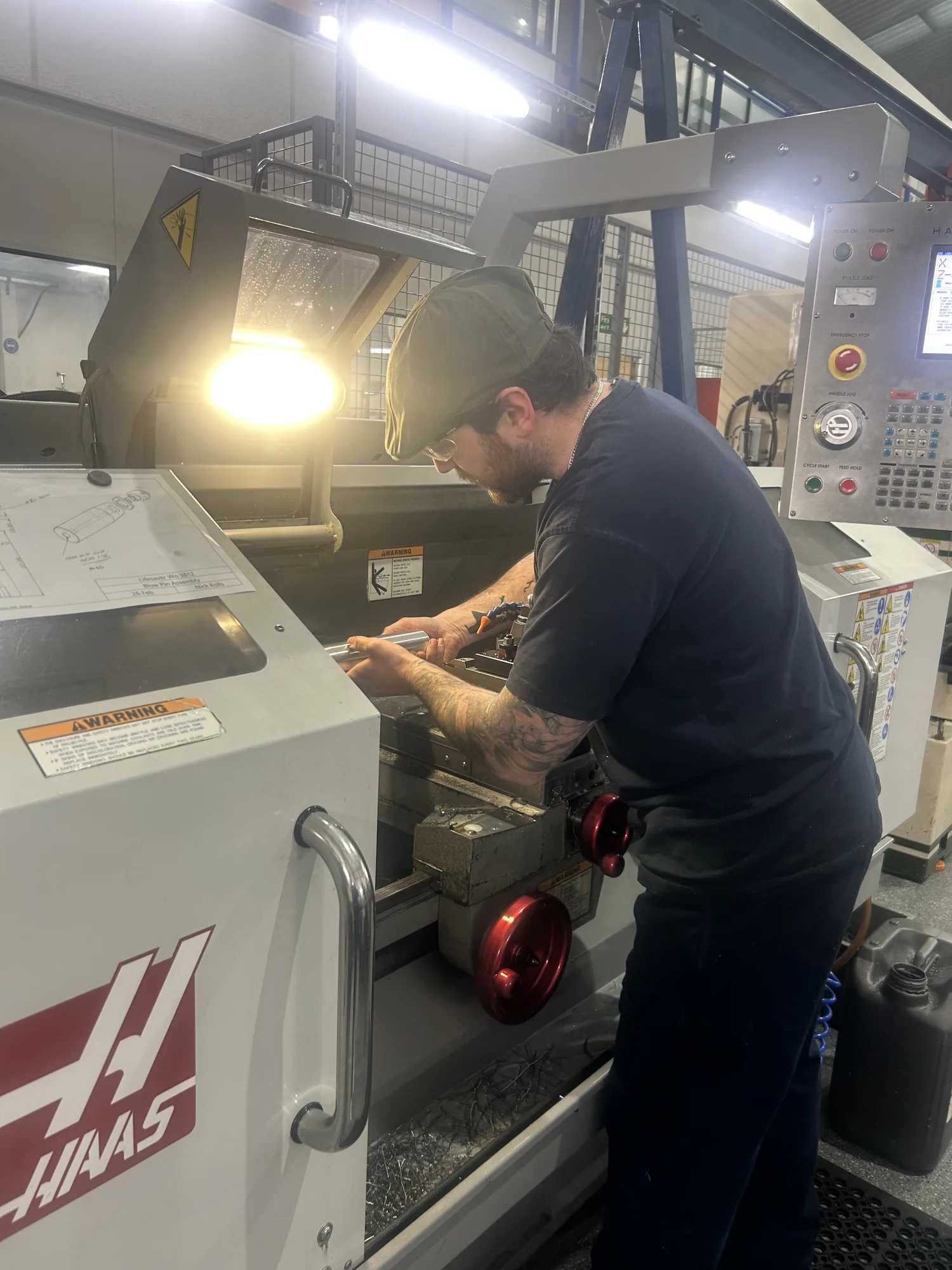
P20 steel tools cut and maintained in-house, so ABS tools are tried and adjusted on site.
03
Finished, not just moulded
Texture, paint, pad printing and assembly in-house, so ABS parts leave as finished products.
04
Checked and accredited
An ISO 9001 quality system, with parts inspected by hand before they are dispatched.