Choosing between PET bottles and HDPE bottles comes down to what your product needs. PET is clear, glossy and light, so it is the usual choice when shoppers need to see the product, such as drinks and many cosmetics. HDPE is tough, slightly flexible and resists many chemicals, so it is a common choice for household cleaners, industrial liquids and many healthcare products.
They are also made in different ways. PET bottles are usually made by injection stretch blow moulding. HDPE bottles are usually made by extrusion blow moulding.
This guide compares the two side by side. It covers look, strength, chemical resistance, recycling and cost, plus the questions to ask before you commit to a bottle design.
What Are PET Bottles?
PET (polyethylene terephthalate) is a clear, rigid plastic. It is the material behind most of the clear drinks bottles you see on supermarket shelves.
PET bottles are popular because they:
- are glass-like in clarity, so the product is on show;
- are light, which helps with transport and handling;
- have a glossy, premium finish;
- hold their shape well under top load when designed correctly.
Most PET bottles are made by injection stretch blow moulding (ISBM). A small test-tube shape called a preform is injection moulded first. It is then heated, stretched and blown into the bottle tool. The stretching lines up the plastic’s molecules, which adds strength and lets the wall be thinner.
What Are HDPE Bottles?
HDPE (high-density polyethylene) is a tough, slightly flexible plastic. It is usually opaque or translucent rather than clear, and it is often coloured.
HDPE bottles are widely used because they:
- resist many household and industrial chemicals;
- are impact resistant and less likely to crack if dropped;
- can be made with handles and complex shapes;
- can be coloured or made with several layers in one wall.
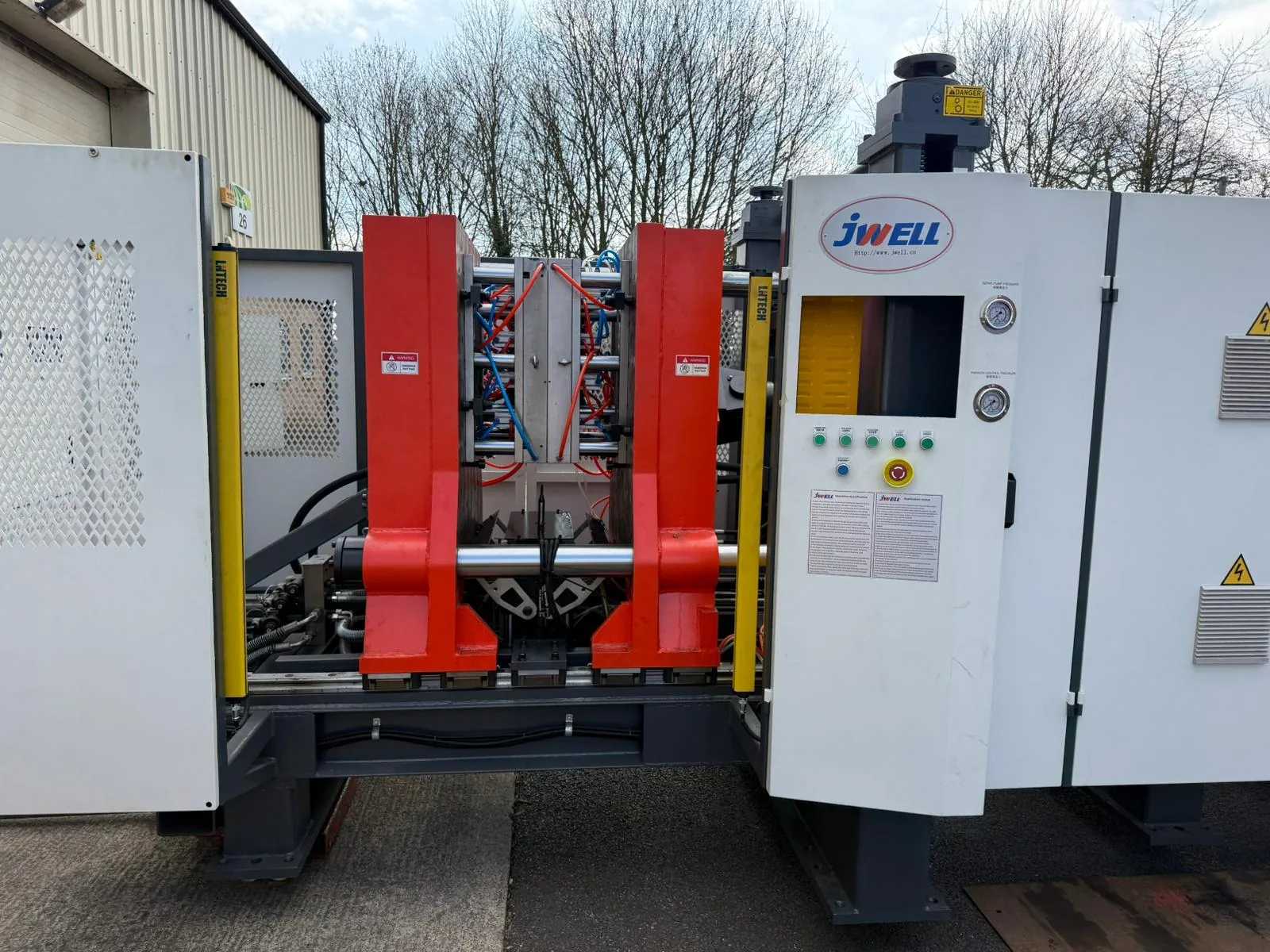
HDPE bottles are usually made by extrusion blow moulding (EBM). A hot tube of plastic, called a parison, is dropped between two halves of a mould. The mould closes, and air inflates the plastic to the shape of the cavity.
For a full walk-through of both methods, see our guide to the blow moulding process.
PET vs HDPE Bottles: How Do They Compare?
Here is a simple side-by-side view of the two materials.
| Feature | PET bottles | HDPE bottles |
|---|---|---|
| Appearance | Clear and glossy | Opaque or translucent, easy to colour |
| Feel | Rigid | Tough, slightly flexible |
| Impact resistance | Good | Very good |
| Chemical resistance | Good for many products | Very good for many chemicals and cleaners |
| Typical process | Injection stretch blow moulding | Extrusion blow moulding |
| Handles and complex shapes | Limited | Well suited |
| Recycling code | 1 | 2 |
| Typical uses | Drinks, cosmetics, personal care | Cleaners, chemicals, healthcare, household |
This is a general guide. Grades vary, so always check the specific grade against your product and its rules.
When Should You Choose PET Bottles?
PET bottles make sense when appearance matters most. Choose PET if:
- shoppers need to see the colour or clarity of the product;
- you want a glass-like, premium look without the weight of glass;
- your product is a drink, a cosmetic or a personal care liquid;
- you want a light bottle that still holds its shape on the shelf.
PET also offers a good barrier to gases. That is one reason PET bottles are so common for drinks.
There are limits. Standard PET is not usually suited to hot filling, and some aggressive chemicals are better kept in HDPE. If your product is filled hot or is a strong solvent, talk to your manufacturer before choosing a material.
When Should You Choose HDPE Bottles?
HDPE bottles are the practical workhorse of the packaging world. Choose HDPE if:
- your product is a cleaner, detergent or industrial liquid;
- the bottle needs to survive knocks and drops;
- you want an integrated handle, such as on a larger container;
- you want a coloured or opaque bottle that hides the contents;
- you need a multi-layer wall, for example with a barrier or recycled layer.
HDPE is also a familiar choice for many healthcare and household products. It is easy to colour, so it suits brands that want a strong colour on shelf.
Which Is Cheaper, PET or HDPE?
There is no single answer, because the price of any bottle depends on several things:
- the tool: ISBM and EBM use different tooling and machines;
- the bottle size and weight: more plastic means a higher part price;
- the wall thickness: thinner, light-weighted walls use less material;
- the order quantity: tooling is spread across every bottle you make;
- extras: colour, multi-layer walls, printing and assembly.
For PET bottles, the stretching in ISBM can allow thinner walls while keeping strength. That helps reduce material use. For HDPE bottles, extrusion blow moulding allows handles and shapes that would need a different approach in PET.
The best way to compare is to quote both options for your real bottle and real volumes.
Which Is Easier to Recycle?
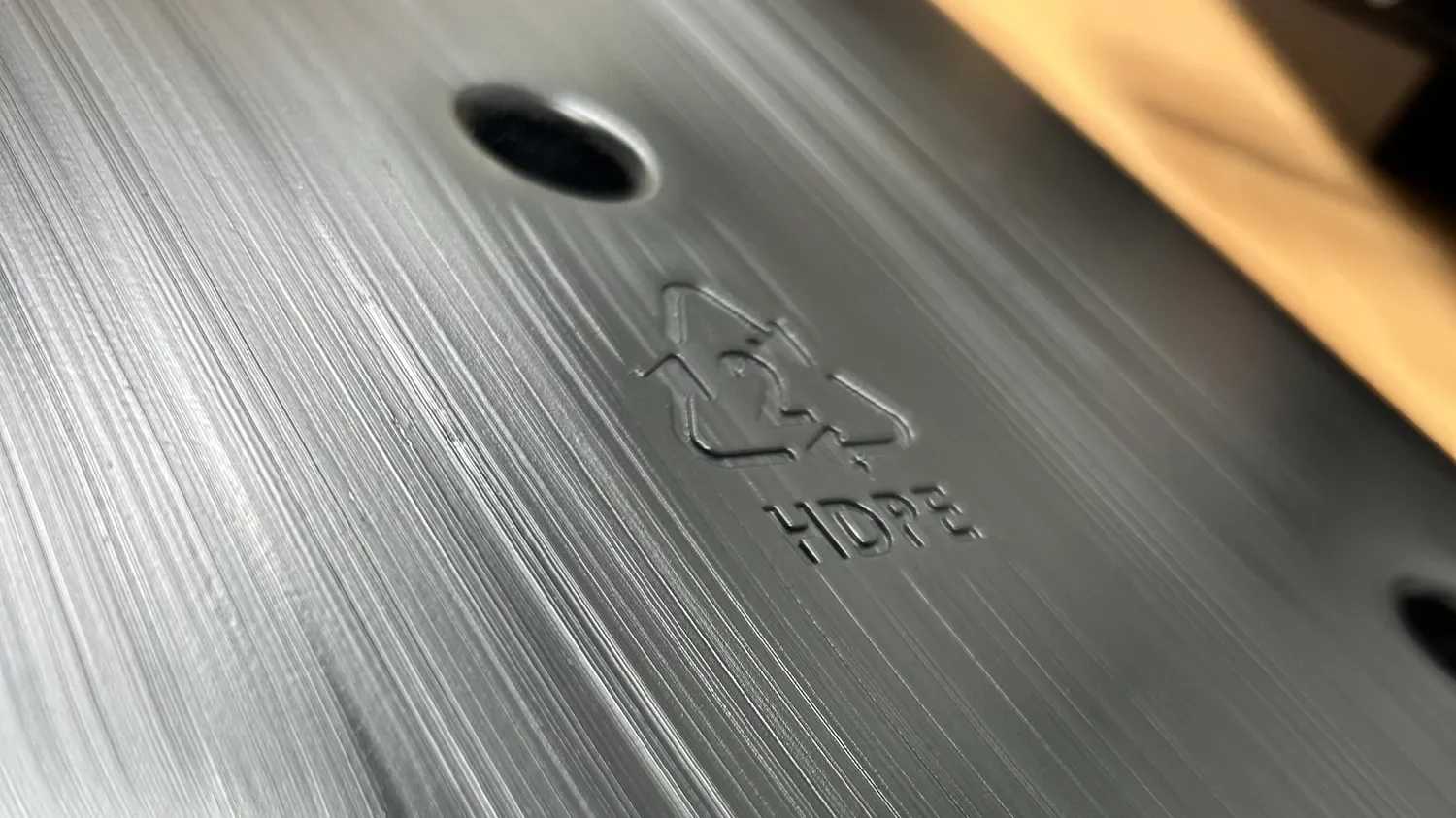
Both PET and HDPE are widely recycled plastics. PET carries recycling code 1 and HDPE carries code 2. Both are commonly collected in UK household recycling, although local rules vary.
To make any bottle easier to recycle, keep the design simple. Avoid mixing materials that are hard to separate, and think carefully about labels, sleeves and caps.
Recycled content is another option. Where the product and its rules allow it, a recycled layer can sit inside a co-extruded, multi-layer wall. Whether that suits your bottle depends on appearance, performance and any regulations.
Which Suits Food, Chemicals or Medicines?
Each sector has its own needs:
- Food and drink: PET bottles are the common choice for clear drinks. HDPE is widely used for products such as milk and sauces. Always use a grade suitable for food contact.
- Household and industrial chemicals: HDPE is usually the safer starting point because of its chemical resistance.
- Cosmetics and personal care: PET is popular for clear, premium bottles. HDPE suits opaque or squeezable designs.
- Pharmaceutical and healthcare: HDPE is a familiar choice for many products. Your material and its paperwork need to meet the rules for your product.
If your product is regulated, agree the material grade and the documents you need before the tool is made.
What Should You Ask Before Choosing a Bottle Material?
Before you settle on PET or HDPE, run through these questions with your product, packaging and procurement teams:
- Does the customer need to see the product inside the bottle?
- Is the product filled hot, or is it a strong chemical or solvent?
- Will the bottle be squeezed, dropped or handled roughly?
- Do you need a handle, an unusual shape or a particular neck finish?
- Do you want a strong brand colour, or a clear bottle?
- Are there food-contact, pharmaceutical or other rules to meet?
- Do you want recycled content in the wall?
- What annual volumes do you expect, at launch and as production scales?
Your answers will usually point clearly to one material. If they point both ways, a sample of each can settle the question quickly.
How Does Gemini Manufacturing Make PET and HDPE Bottles?
We are one of the plastic bottle manufacturers UK brands and OEMs can work with directly, making custom bottles from each customer’s own tool. Everything happens at our site in Buckinghamshire, with nothing subcontracted.
- Both processes in-house: extrusion blow moulding and injection stretch blow moulding, so we can match the process to the bottle.
- Materials: PET, HDPE, LDPE, PP, PVC and PETG.
- Sizes: from micro parts up to 50 litres.
- Multi-layer capability: for barrier, recycled and coloured layers.
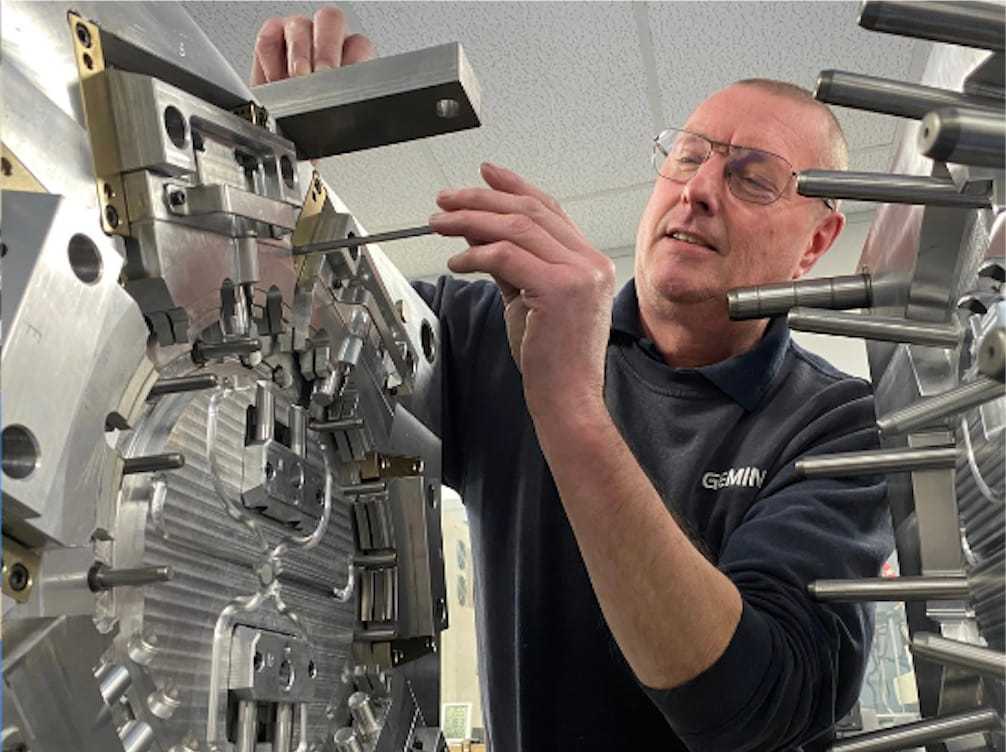
- Tooling on site: bottle tools are designed and cut in our own toolroom.
- Fast PET samples: working from a stock preform, we can turn round sample bottles in as little as five days.
- Free tool maintenance and replacement for as long as you manufacture with us.
We are ISO 9001 certified and have more than 26 years of experience in UK plastics manufacturing.
Frequently Asked Questions
Which is cheaper, PET or HDPE bottles?
It depends on the bottle size, weight, wall thickness, tooling and order quantity. PET bottles can often be light-weighted, while HDPE bottles suit handles and complex shapes. Quoting both options for your real bottle is the most reliable way to compare.
Which is easier to recycle?
Both are widely recycled. PET is recycling code 1 and HDPE is code 2, and both are commonly collected in UK household recycling. Simple designs with fewer mixed materials are easier to recycle.
Which plastic suits food, chemicals or medicines?
PET bottles suit clear drinks and many cosmetics. HDPE bottles suit cleaners, chemicals and many healthcare products. For food or medicines, always check that the grade and its paperwork meet the rules for your product.
Can I get sample bottles before committing to production?
Yes. For PET, we can turn round sample bottles in as little as five days from a stock preform, before you commit to a dedicated tool. For production runs, send us your bottle details and expected volumes, and we will recommend the right route.
Find the Right Bottle for Your Product
Still weighing up PET bottles against HDPE bottles? Send us your product specification, a drawing or a sample of your current bottle. Our team will reply within 24 hours with any questions, then send a free, no-obligation quote.
Find out more about our plastic bottle manufacturers UK service, or contact Gemini Manufacturing to talk through your bottle.
About Gemini Manufacturing
Gemini Manufacturing is a UK precision plastics manufacturer based in Worminghall, Buckinghamshire. Established in 1999, Gemini Manufacturing runs tooling, blow moulding, injection moulding, finishing and assembly in its own facilities, and is ISO 9001 certified.