If you are wondering how to get a prototype made in the UK, the process usually follows six steps. You define what the product must do, turn the concept into drawings or a CAD file, choose a prototyping method, have the part made, test it, then refine the design before moving into production.
Your team does not need every detail fixed before you start. Many projects begin as a concept sketch or an early CAD model. A good prototyping partner can support your engineers with CAD, materials and the right method for what you need to prove.
This guide walks through each step in plain English. It is written for product development and engineering teams at OEMs, manufacturers and established brands who need real parts in hand quickly, without wasted time or budget.
What Is a Prototype, and Why Do You Need One?
A prototype is an early, physical version of your product. It lets you check the design before you spend money on production tooling.
A prototype helps you:
- check form, fit and how the product feels in the hand;
- test whether it works as intended;
- spot problems that are hidden on a computer screen;
- show stakeholders, customers or partners something real;
- make changes while they are still quick and cheap.
Knowing how to get a prototype made properly can save you from costly surprises later. A change at prototype stage is far cheaper than a change to a finished production tool.
Step 1: Define What Your Prototype Needs to Prove
Before anything is made, decide what the prototype is for. Different goals need different prototypes.
Ask your team:
- Is it a looks-like model, to check shape and appearance?
- Is it a works-like model, to test function?
- Does it need to be made in the real production material?
- How many do you need: one, a handful, or a small batch?
- Will it be shown to customers or internal stakeholders?
Clear answers help your prototyping partner recommend the right method, and stop you paying for more than you need.
Step 2: Turn Your Concept into Drawings and a CAD File
Most prototypes are made from a 3D CAD file. A STEP or IGES file is ideal, because most manufacturers can open it.
Do I need a CAD file to get started?
No. If your team only has a sketch, a photo or an existing part, that is fine. At Gemini Manufacturing, our in-house CAD studio can turn a concept into a design that is ready to make. Our design team can also suggest changes that make the part easier and cheaper to produce later.
What should my drawings include?
Try to include the main dimensions, any parts that must fit together, the finish you want and the material if you know it. Notes on how the product will be used are just as helpful.
Step 3: Choose the Right Prototyping Method
When people ask how to get a prototype made, the biggest decision is usually the method. There is no single best way to make a prototype. The right method depends on what you need to prove, how many parts you need and what material matters.
| Method | Best for | What you get |
|---|---|---|
| FDM printing | Fast concept models | A low-cost way to check shape, fit and ergonomics |
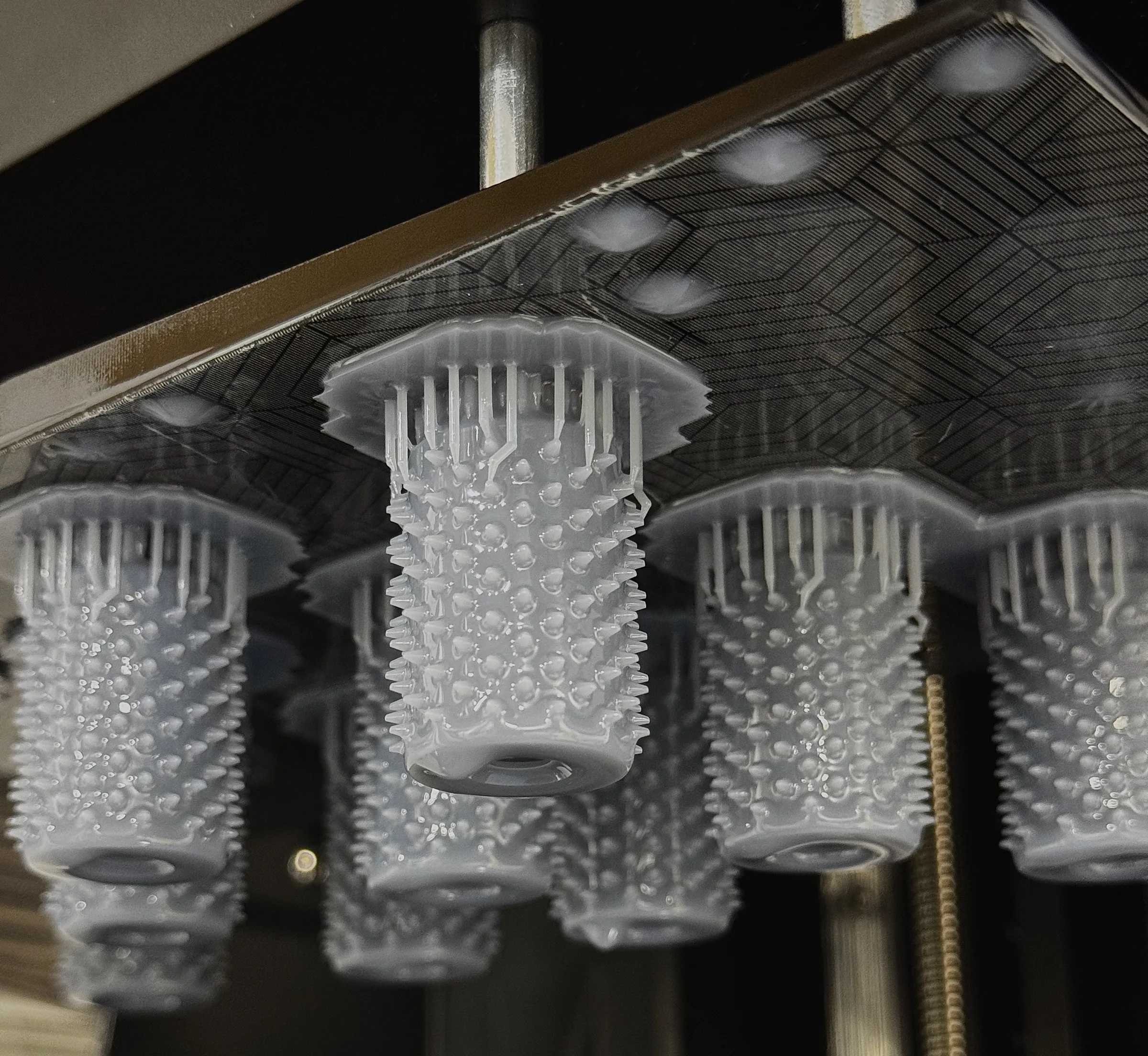
| SLA | Fine detail | The closest finish to a production part |
| SLS | Stronger parts | The most durable printed part, for functional checks |
| Vacuum casting | Small batches of prototype parts | Polyurethane parts from a silicone mould, which can be textured, polished or coloured. 3D printed tooling can reduce the cost |
| CNC machining | Real engineering materials and closer tolerances | One-off or multiple parts in plastics or metals, with no tooling |
| Prototype tooling | Parts in the real production plastic | Injection moulded parts from an aluminium tool |
If you are unsure, start simple. A 3D printed model can confirm the shape quickly. You can then move to a machined or moulded prototype once the design settles.
Step 4: Get Your Prototype Made
This is the stage most people picture when they think about how to get a prototype made. Once the method is agreed, your partner should confirm the cost and lead time before work begins. Then the part is made and checked.
Choosing a UK supplier has practical benefits:
- you can talk directly to the engineers making your part;
- there is no wait for overseas shipping;
- design changes can be turned round quickly;
- confidential designs stay with one team.
Some prototypes need more than one part. Gemini Manufacturing can also build fully functional assemblies, integrating internal electronics, pneumatic and mechanical systems.
Step 5: Test, Learn and Refine
Now the useful part begins. Hold the prototype, use it, and put it in front of colleagues and end users. Note what works and what does not.
Common things to test:
- Fit: do the parts go together as expected?
- Function: does it do the job, every time?
- Feel: is it comfortable and easy to use?
- Strength: does it survive normal use and the odd drop?
- Appearance: does it match the design intent?
Changes at this stage are quick and cheap, so expect a few rounds. Each version gets you closer to a design you can trust.
Step 6: Move from Prototype to Production
Knowing how to get a prototype made is only half the journey. When the design is proven, it is time to plan production. This is where many projects stall, because the prototyping supplier cannot make the final product.
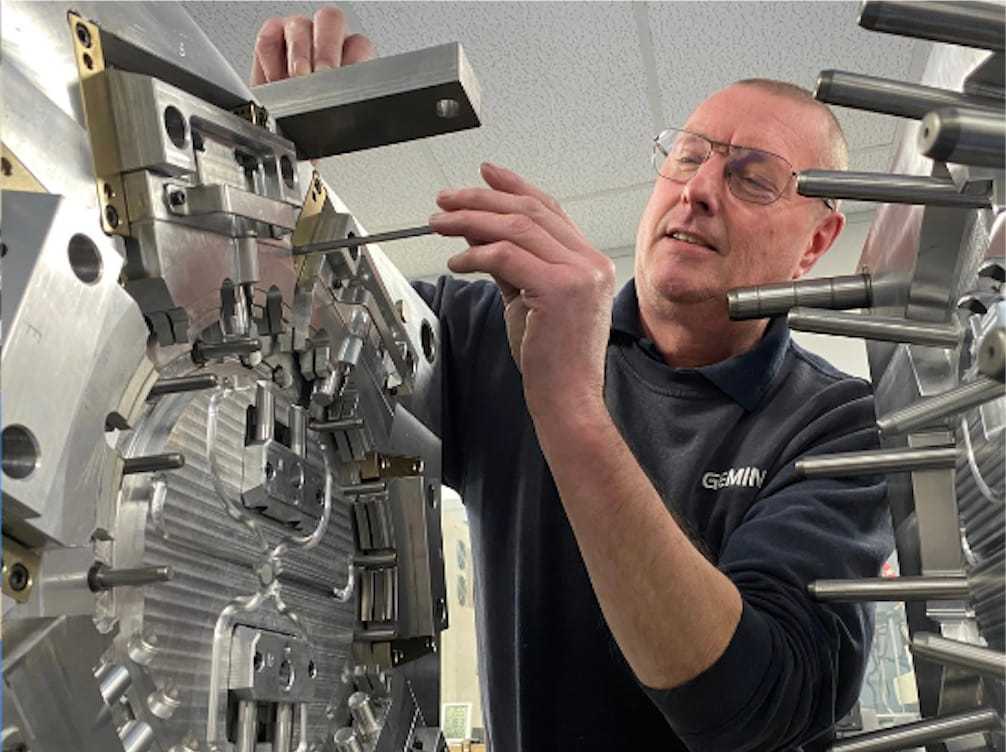
Working with a partner who does both avoids that problem. At Gemini Manufacturing, the same team can take a proven prototype into rapid or production tooling in the same building. Your design moves into production without a handover and without starting again with a new supplier.
For many products, the next step is a pilot or pre-production run. Prototype injection moulding at Gemini Manufacturing runs from 5 to 500 parts on aluminium and bridge tooling, which is a sensible bridge between prototypes and full production.
How Do You Protect Your Design?
Anyone researching how to get a prototype made in the UK soon asks how to keep the design confidential. Protecting intellectual property matters whenever you share designs with a supplier. A few simple steps help:
- Use a non-disclosure agreement (NDA). At Gemini Manufacturing, an NDA is available on request.
- Share only what is needed at each stage.
- Look into formal protection. Patents, registered designs and trade marks are explained by the UK Intellectual Property Office. For complex cases, speak to a patent attorney.
- Keep records of your design work and dates.
What Mistakes Should You Avoid?
Most problems we see come from a handful of common mistakes. Avoid these and the whole process becomes quicker and cheaper:
- Skipping the brief. Without clear goals, it is hard to know whether a prototype has passed or failed.
- Choosing the method before the goal. A beautiful model is no use if you needed to test strength.
- Testing in the wrong material. If performance matters, prototype in a production-representative material.
- Freezing the design too early. Allow time and budget for at least one round of changes.
- Forgetting about production. A design that is easy to prototype is not always easy to mould.
- Changing supplier at the last step. Moving to a new manufacturer for production can mean redrawing and re-testing.
A good partner will raise these points early. That is a big part of how to get a prototype made without wasted rounds.
How Gemini Manufacturing Helps You Get a Prototype Made
We offer rapid prototyping UK services from our own facilities in Buckinghamshire. Because prototyping, tooling, moulding and machining sit in the same building, the work that proves your design can feed straight into production.
We work as part of our customers’ product and engineering teams. One customer described us as “more than just a bunch of great engineers”, adding that “they really become an extension of your team”.
If you are still working out how to get a prototype made, our team can support your engineers from the first concept sketch through to production. We work with registered businesses, from product development teams to procurement and supply chain managers. We are ISO 9001 certified, rated 4.7 stars on Google, and have more than 26 years of UK manufacturing experience.
Frequently Asked Questions
How much does a prototype cost?
It depends on the method, material, size, complexity and how many parts you need. A 3D printed concept model usually costs far less than a machined or moulded prototype. Gemini Manufacturing confirms your cost and a fixed lead time up front, before work begins.
How long does it take to get a prototype made?
It depends on the method. 3D printed prototypes can be ready in days rather than weeks. Machined parts, vacuum castings and prototype tooling take longer. Send us your part and we will come back with a quote and lead time within one business day.
Do I need a CAD file?
No. A CAD file (STEP or IGES is ideal) helps, but a sketch, photo or sample is enough to start. Our in-house CAD studio can develop a concept into a design ready to make.
How do I protect my design?
Use a non-disclosure agreement before sharing details. Gemini Manufacturing offers an NDA on request. For formal protection such as patents or registered designs, see the UK Intellectual Property Office or speak to a patent attorney.
Ready to Turn Your Design into a Real Part?
Now you know how to get a prototype made, the next step is simple. Send us your brief, a sketch, a CAD file or a sample. We will reply within 24 hours with any questions, then send a free, no-obligation quote.
See our rapid prototyping UK services, or contact Gemini Manufacturing to talk about your project.
About Gemini Manufacturing
Gemini Manufacturing is a UK precision plastics manufacturer based in Worminghall, Buckinghamshire. Established in 1999, Gemini Manufacturing offers design, prototyping, tooling, moulding, finishing and assembly in its own facilities, and is ISO 9001 certified.